
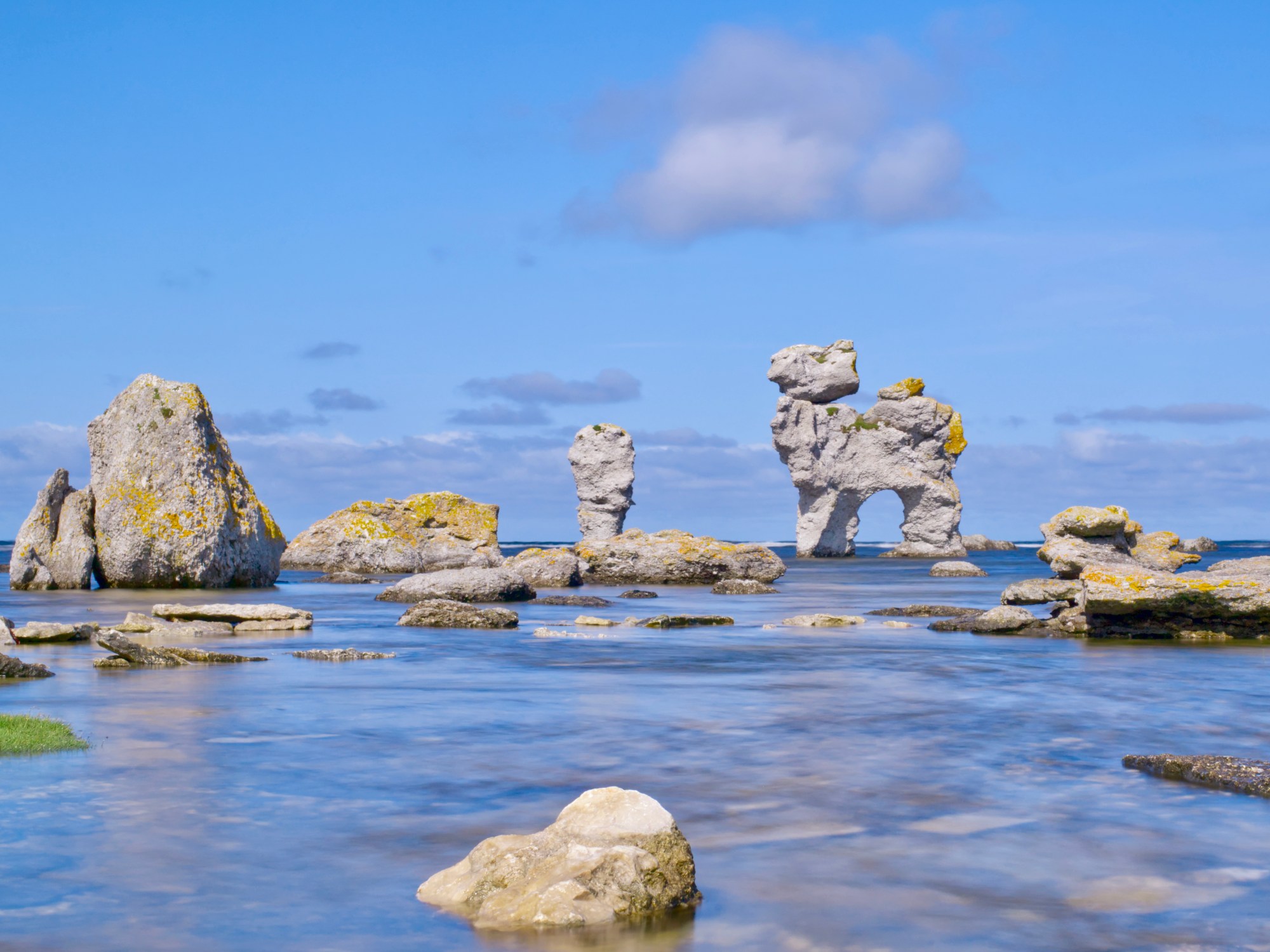
While on the Swedish island of Gotland last August, we explored a few of its interesting geological features
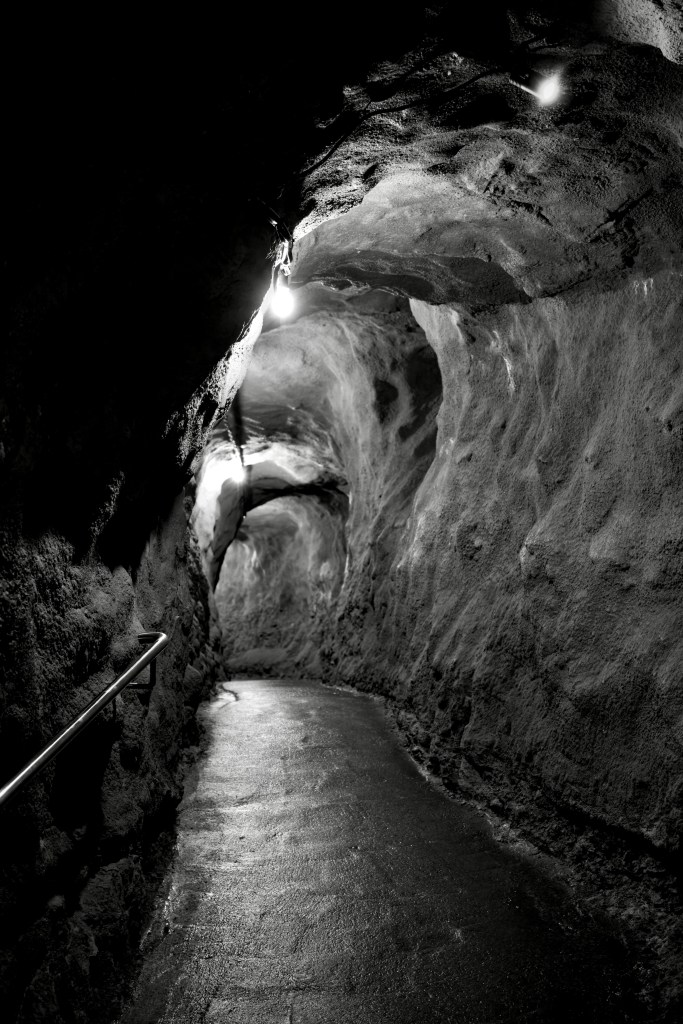
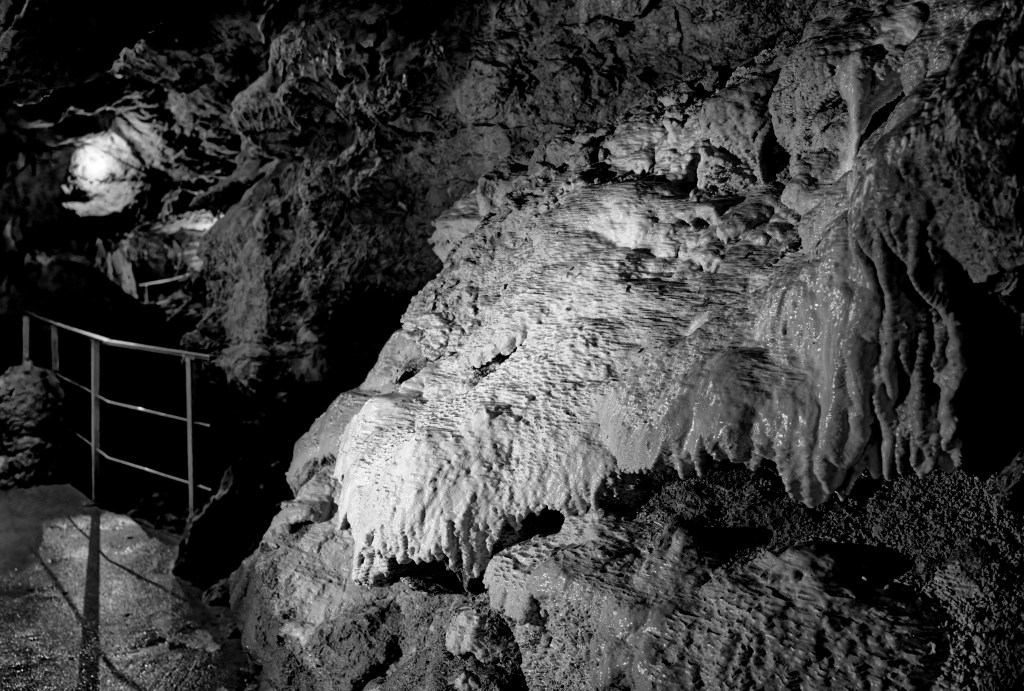
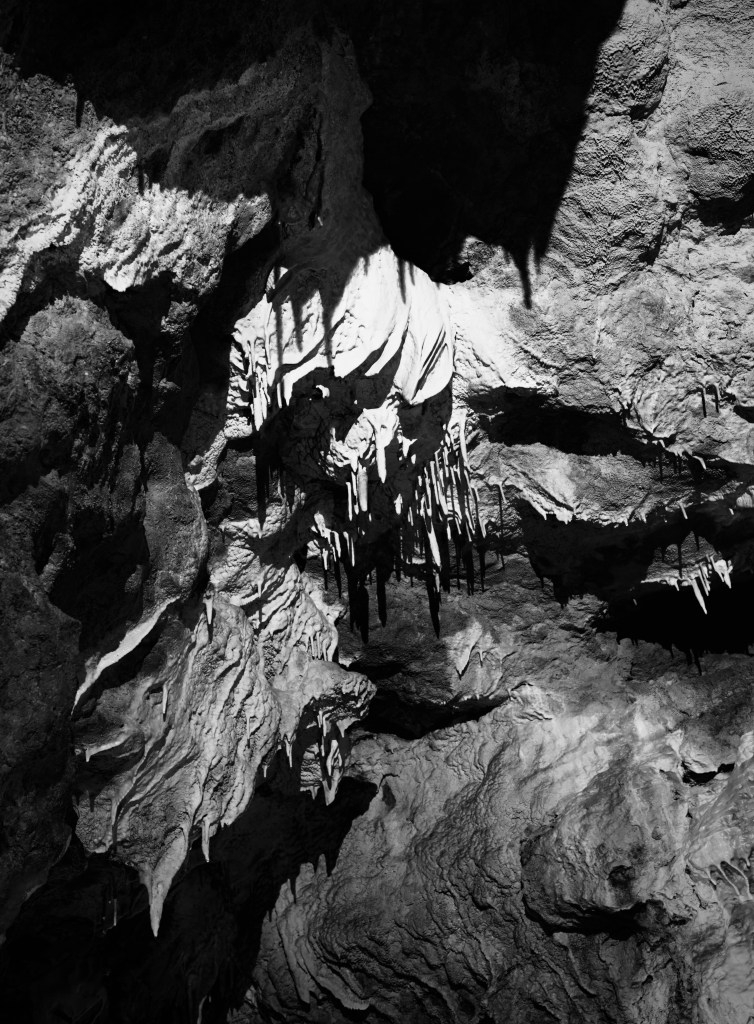
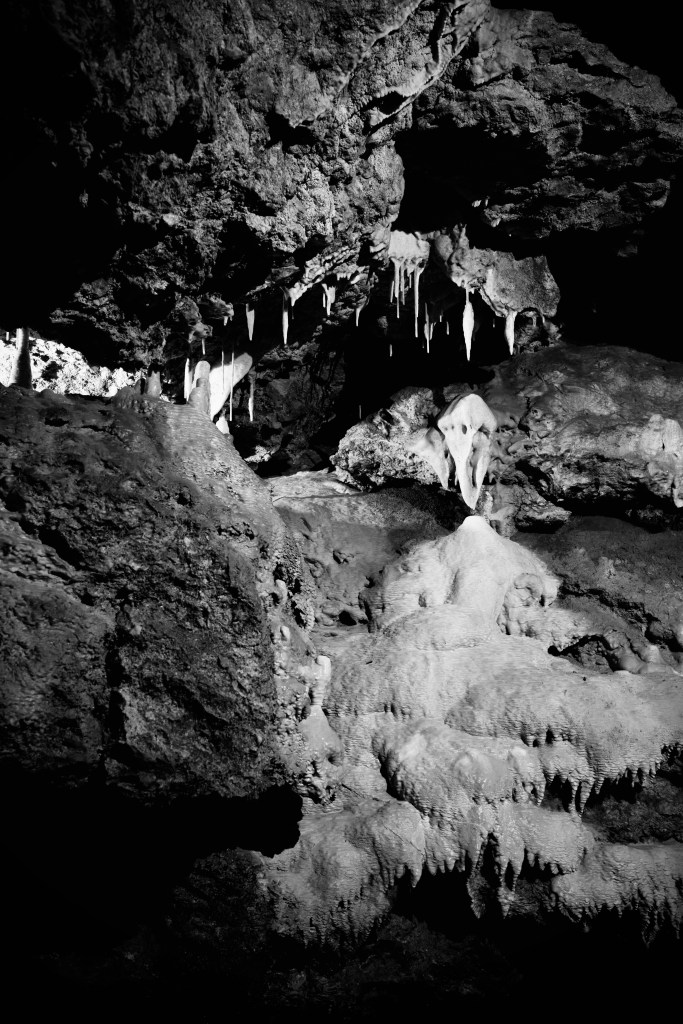
Lummelunda Cave (aka: Rövarkula or The Robber’s Den) was discovered by 3 teens over 70 years ago. The cave itself was formed by water draining through rock containing limestone, dissolving it away over time. We took a brief tour and saw some fossils and small stalactite formations in the dark cave.
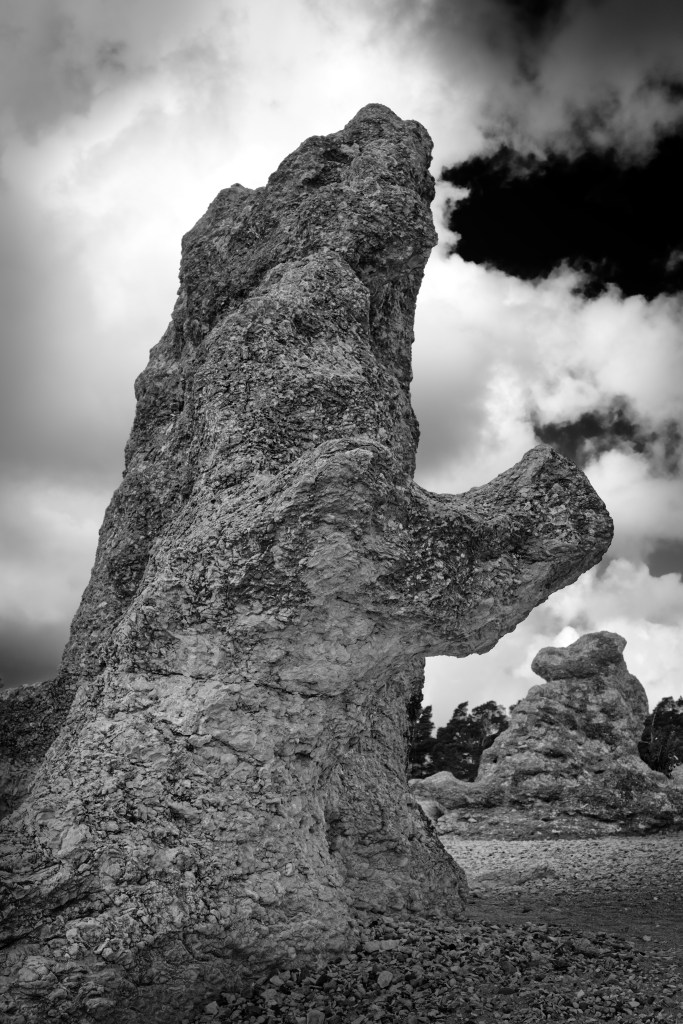
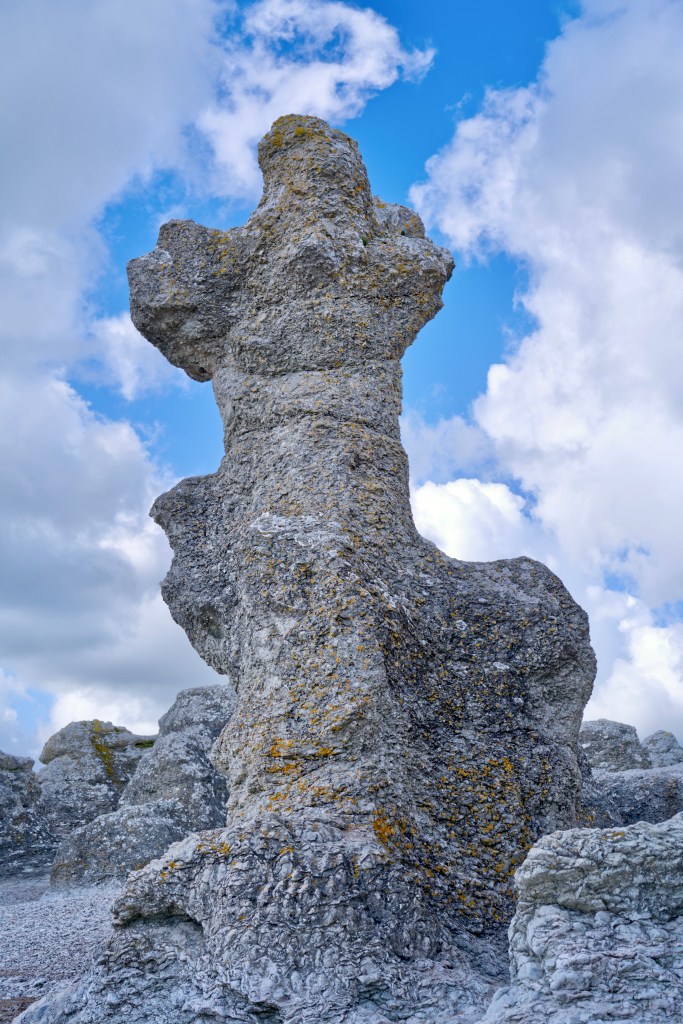
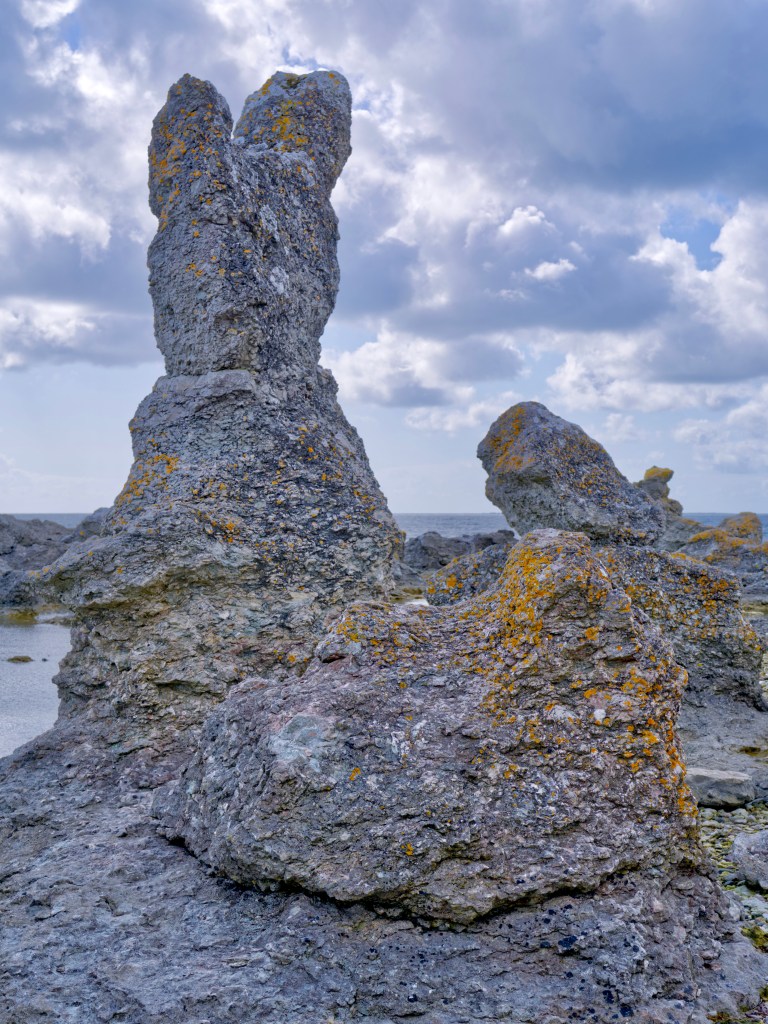
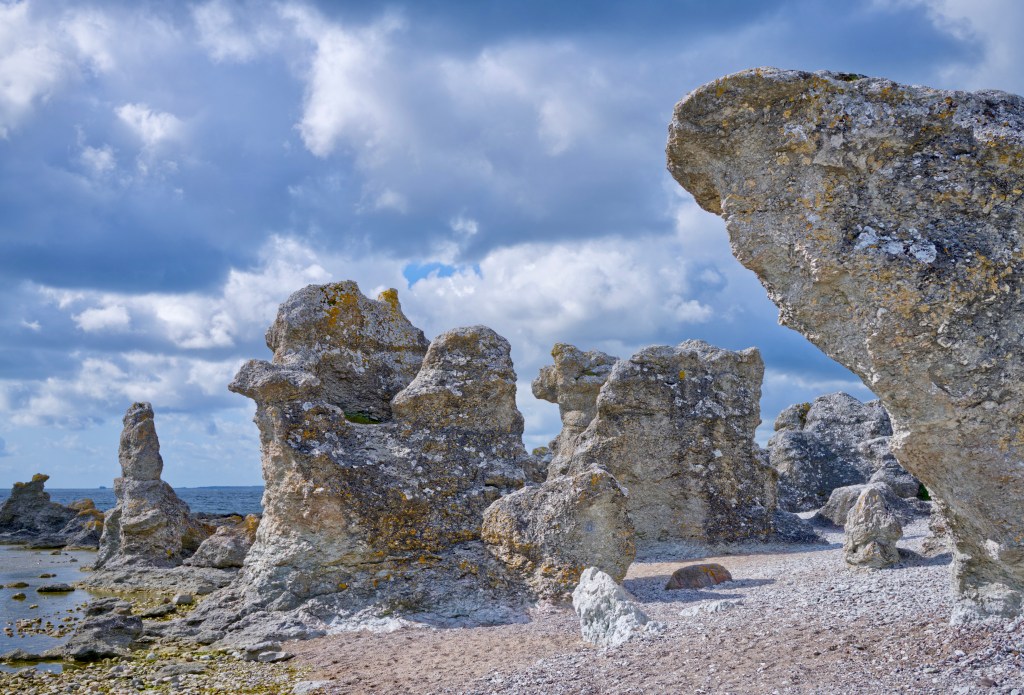
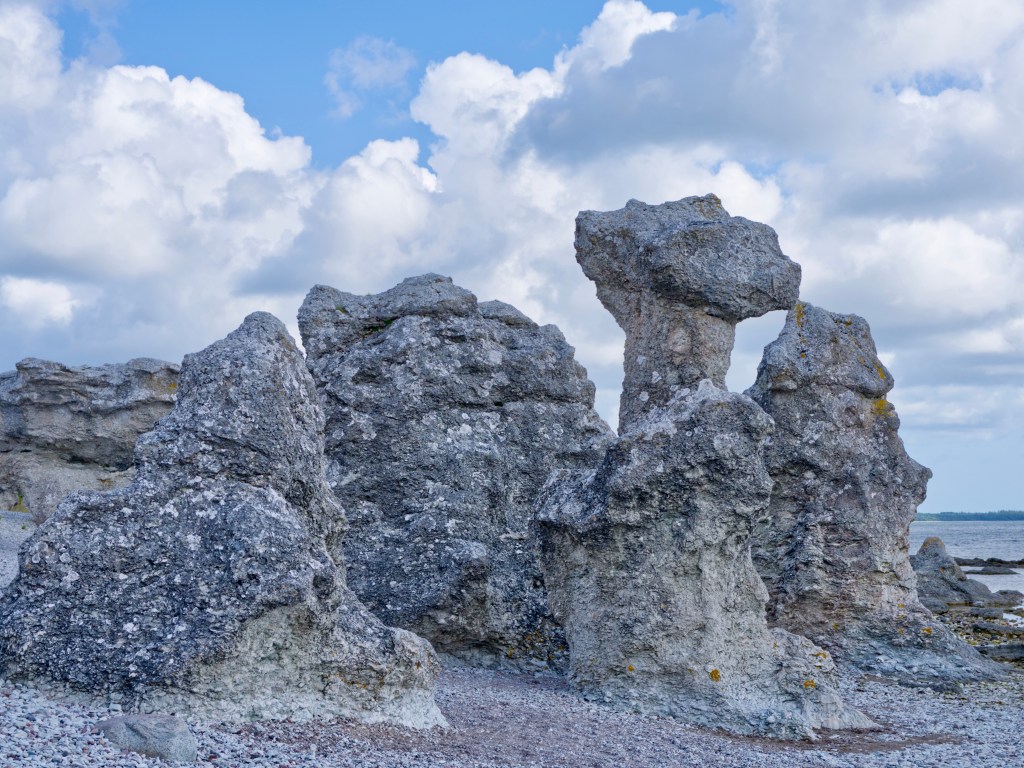
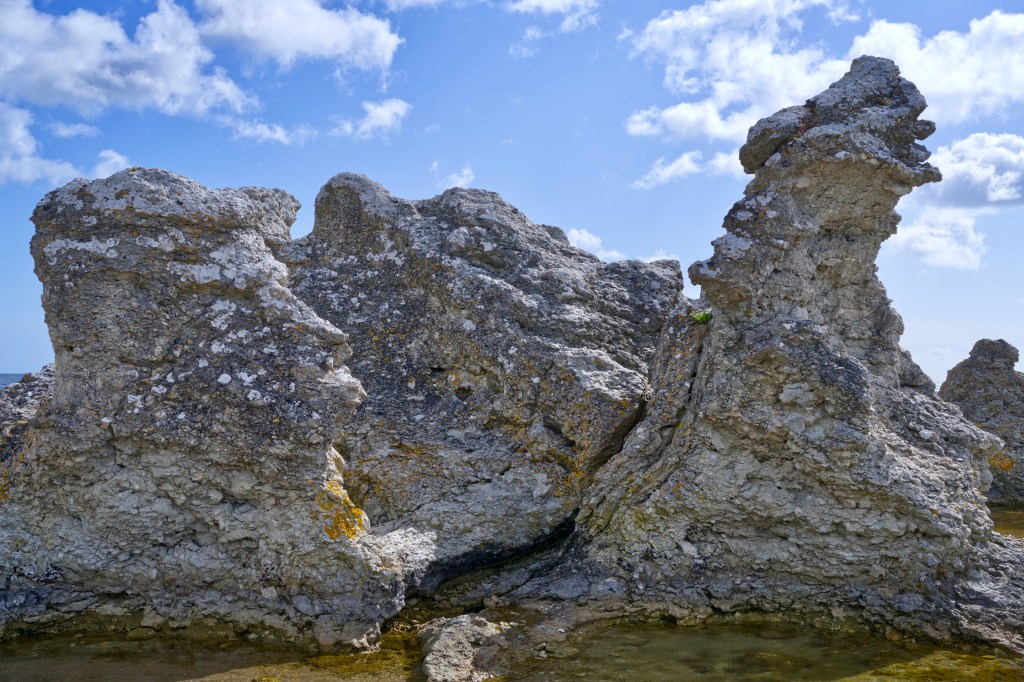
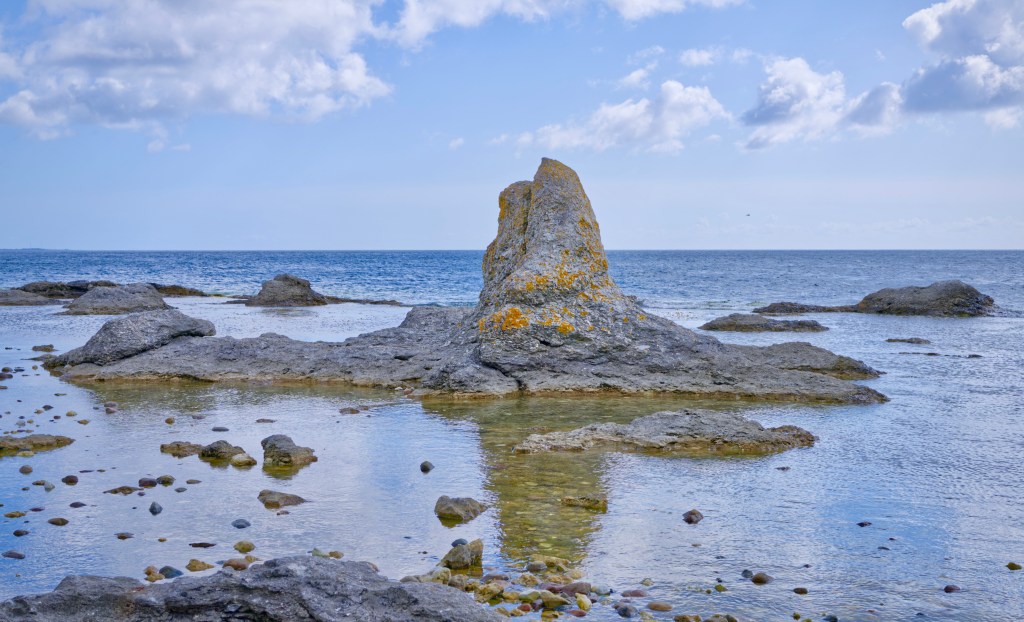
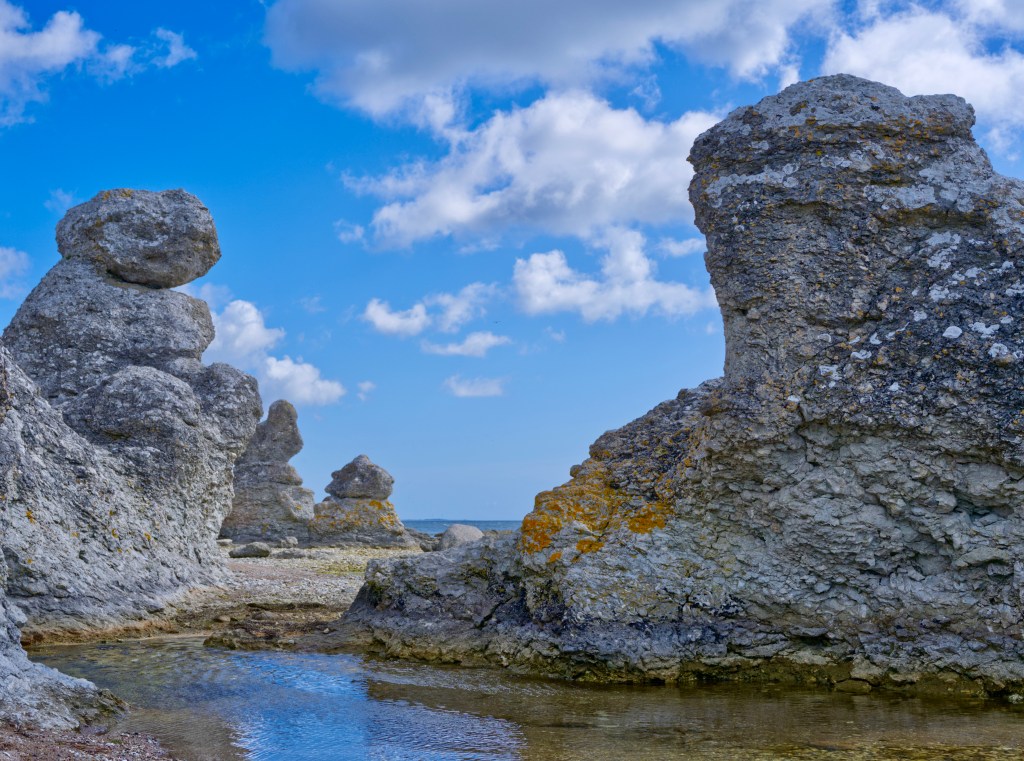
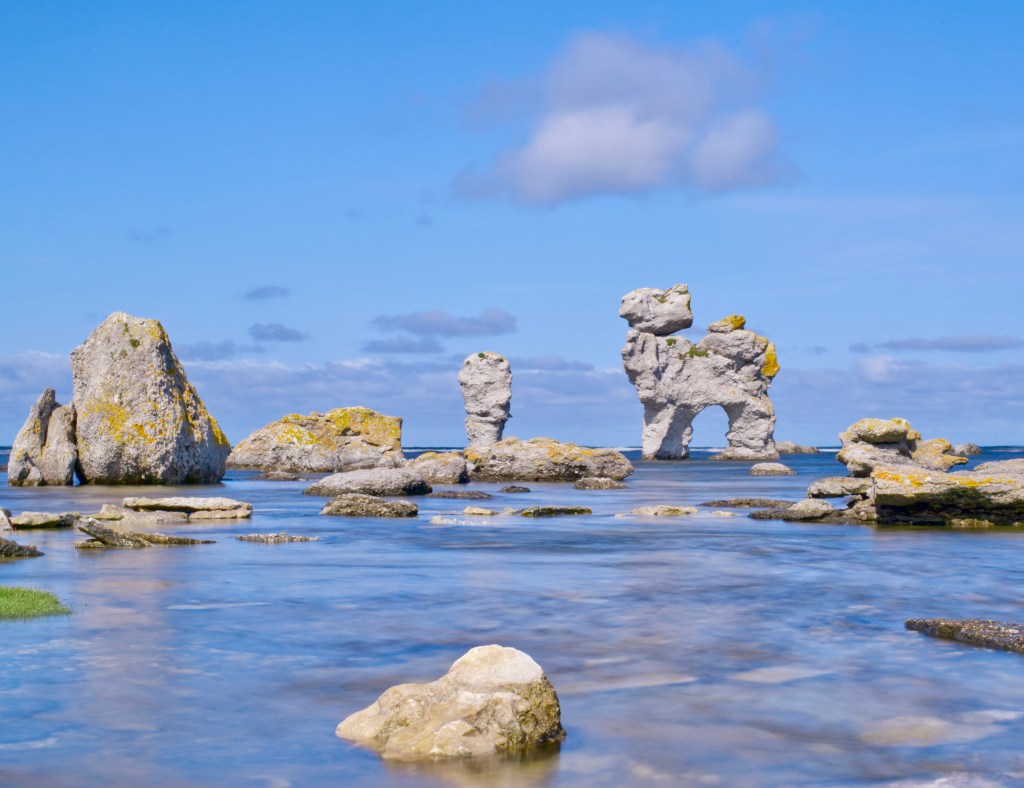
Gotland is also known for its Raukar. These rock columns are found in groups along parts of the coastline where limestone cliffs have been slowly eroded away by the waves. We visited two different rauk fields: one at Folhammar, on the east side of the big island and the other at Gamla hamn on the small island of Fårö to the north.
Here are some images from inside Lummelunda cave and of some of the raukar we visited on the island of Gotland last summer.

 Kewtie Bird - Come View My Photo Journey
The rauk images are fascinating, so many unusual shapes. And lovely skies and clouds to go with them!
LikeLike
It is so unusual. Fascinating formations.
LikeLiked by 2 people
Many thanks!
LikeLike
fascinating! i also see a dog—a chow, with head turned to look behind…
✣❊✣❊✣❊✣❊✣❊✣❊✣❊✣❊✣❊✣❊✣
LikeLiked by 2 people
Yes…exactly!!! Thank you for your comment! 😃
LikeLiked by 2 people
✨🙏🙇♂️
LikeLiked by 2 people